

Unmarried Couples Solicitors in Scotland
It is a common misperception that couples who live together have the same legal protections as those who are married. Our specialist solicitors can advise you on your rights.
- Specialists in Scottish family law and divorce
- Fixed-fee consultations from £250+VAT
- Book a consultation today and take the first step towards your future
Living together does not give you the same rights as marriage or civil partnership.
There is no modern Scottish rule that turns a couple into spouses simply because they have lived together for a particular number of years. Cohabitants can have rights, but they arise from property law, contract, child law and the limited statutory claims in the Family Law (Scotland) Act 2006.
Those rights are often narrower and more time-sensitive than people expect. Timely advice matters when buying a home together, during an established relationship, after separation and following a partner’s death.
A team with extensive experience across the full range of family law.
Glasgow, Aberdeen and Edinburgh, with telephone and video appointments available throughout Scotland.
Focused advice from a family solicitor, followed by a written assessment and a tailored fee estimate.
A dedicated family law team handling everything from straightforward separation to complex financial and child law disputes.
What Services Do We Offer for Unmarried Couples?
At Kee Solicitors, we provide specialist advice for cohabiting and unmarried couples across Scotland. Whether you are looking to protect your position before moving in together, or need support following the breakdown of a relationship, our team is here to help you understand your rights and options.


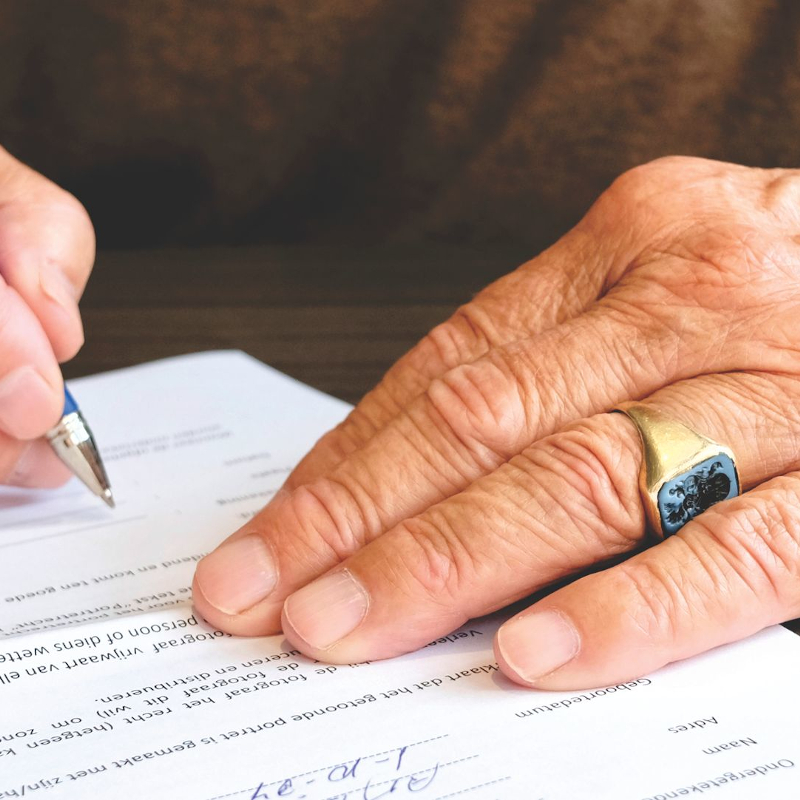
Property ownership, financial claims and practical protection for cohabitants.
On separation, there is no automatic exercise dividing all property accumulated during the relationship. Ownership, title, contributions and any agreement must be considered. A cohabitant may also seek a capital sum under section 28 where the statutory economic advantage and disadvantage test is met, and the court can address the continuing economic burden of caring for a child.
A section 28 application must be made within one year after the cohabitation ends. The deadline is strict and negotiation does not stop time running. A claim should therefore be assessed promptly even where both people hope to settle without court.
If a cohabitant dies without a will, the survivor may be able to apply under section 29 for provision from the intestate estate. That claim must be made within six months of death. It is not available merely because a will exists but makes inadequate or no provision for the survivor.
A cohabitation agreement can define ownership, contributions, bills, debt and what should happen on separation. A will and appropriate life or pension nominations are separate and important parts of planning for death.




Our Dedicated Team of Family Law Experts
Clear advice before living together, during the relationship, after separation and following a partner's death.
We advise couples planning or reviewing their arrangements, people whose relationship has ended, surviving partners and those responding to a statutory claim. The first task is to identify the relationship status, ownership, agreement and deadline that control the available remedy.
Where agreement is possible, we can negotiate and document it. Where a claim must be raised to preserve rights, we act within the statutory timetable.
Our one-hour fixed-fee initial consultation costs £250 + VAT. You will receive focused advice from a family solicitor, a written assessment of your position and a tailored estimate for any further work.
Hear Directly From Kee Solicitor Experts
Frequently Asked Questions: Rights of Unmarried Couples in Scotland
Common questions about the legal rights of cohabiting and unmarried couples in Scotland.
Do cohabiting couples have the same rights as married couples?
No. Cohabitants do not have the divorce regime of equal sharing of matrimonial property, occupancy rights and wider financial orders. They may have property, contractual and limited statutory claims, but the tests and remedies are different.
What happens to property when an unmarried couple separates?
The starting point is legal ownership and any enforceable agreement. Contributions can be relevant to property or section 28 claims, but living together does not automatically create a half share in everything.
Does living together for a long time create a common-law marriage?
No. The length and nature of cohabitation can matter to statutory claims, but it does not convert the relationship into a marriage or give the full rights of a spouse.
Can a cohabitant make a financial claim after separation?
Yes, in appropriate circumstances under section 28 of the Family Law (Scotland) Act 2006. The application must be made within one year after cohabitation ends, and the remedy is based on economic advantage, disadvantage and any child-care burden.
How can unmarried partners protect themselves?
Use a properly drafted cohabitation agreement, record property ownership and contributions clearly, and make wills and appropriate nominations. The documents should be reviewed when a home is bought, a child is born or finances change materially.
- Enter your details
- Book a no-obligation callback at a time that suits you